 OPEN SCIENCE
OPEN SCIENCE
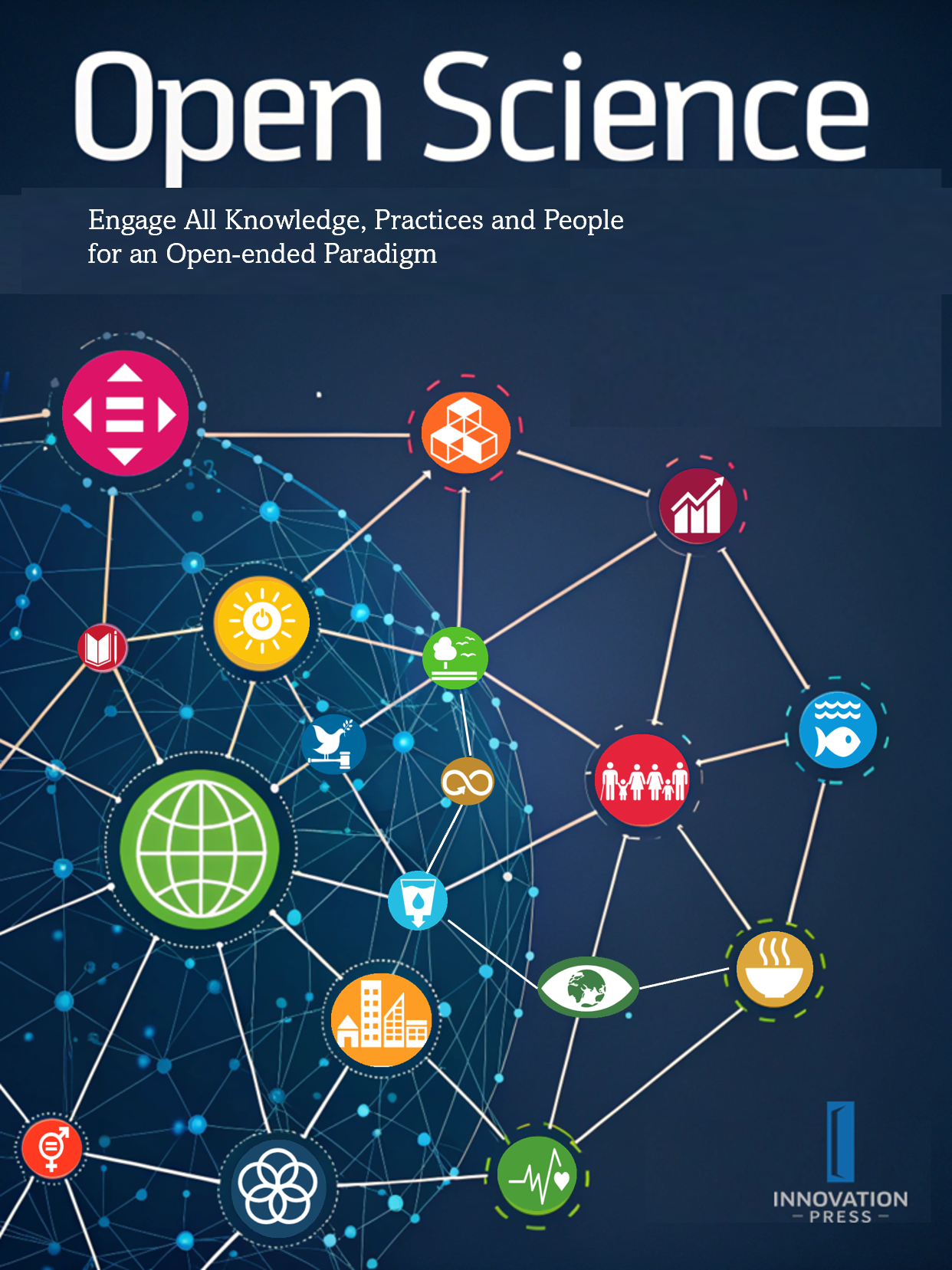

Open Science has the potential of making the scientific process more transparent, inclusive and democratic. It is increasingly recognized as a critical accelerator for the achievement of the United Nations Sustainable Development Goals and a true game changer in bridging the science, technology and innovation gaps and fulfilling the human right to science.
Following an inclusive, transparent and multistakeholder consultative process, the UNESCO Recommendation on Open Science was adopted by the 41st session of UNESCO General Conference in November 2021.
This Recommendation outlines:
- A common definition for open science
- Core values and guiding principles for open science
- Recommendations for priority areas of actions

On the 25th of August, the United Nations General Assembly adopted a resolution proclaiming 2024-2033 as the International Decade of Sciences for Sustainable Development. As entrusted as the lead agency, UNESCO is developing and sharing a clear vision and dedicated mission of IDSSD in close consultation with Member States, potential partners from other UN agencies, International Science Council, scientific unions, and science academies.
The Decade is the natural continuation of the International Year of Basic Sciences for Sustainable Development, even if its scope is much wider. Whereas the Year contented itself with raising the profile of the basic sciences by explaining the link between a breakthrough in the laboratory and applications which may only find their way into our daily lives decades later, the Decade will be harnessing all of the sciences – basic, applied, social and human – to bring about transformative change to our societies, economies and environment. The Expected Outcome 4 of the "Sciences Decade": By fostering open and inclusive science infrastructures, we will cultivate the scientific literacy and culture essential for building a sustainable world, thereby contributing directly to the fulfillment of the "Sciences Decade" goals. Open science is set to play a crucial role in achieving the objectives of the "Sciences Decade."
Who we are
A group of researchers from The Chinese Open Science Network (COSN) create a non-profit international open-access journal through community crowdfunding, using successful models of emerging OA journals. This initiative aims to support global knowledge sharing, fostering a “community autonomy” pathway for open publishing.
Aims & scope
OPEN SCIENCE, a gold Open Access (OA) journal established through a crowdfunding approach,demonstrates the willingness and action of Chinese scientists to support UNESCO’s Open Science and the International Decade of Sciences for Sustainable Development strategy. It provides a community-driven, cost-effective (low-cost) solution for global knowledge sharing and equitable scientific dissemination.
Open Science is dedicated to the broad spectrum of the open science landscape. While grounded in the core pillars and action areas of open access, open data, and open infrastructure, the journal extends beyond this scope to integrate open science principles deeply into the natural sciences and related interdisciplinary frontiers.
The journal encompasses a wide range of fields, including but not limited to:
· Global Challenges: Sustainable Development Goals (SDGs)
· Natural Sciences: Geoscience, Physics, Chemistry, Mathematics, Environmental Sciences, and Ecology
· Life, Health & Agriculture: Life Sciences and Medicine, Psychology, Agriculture
· Technology & Engineering: Computer Science, Engineering
· Social & Information Sciences: Sociology, Information Science, Library Science
· Open Science Ecosystem: Open Access, Open Data and Infrastructures, Open Source, Open Educational Resources, Open Science Policy
The journal prioritizes scientific research conducted in open, inclusive, and collaborative environments, with a particular focus on contributions from low- and middle-income countries, as well as underrepresented groups within high-income nations. It also features basic research aligned with the United Nations Sustainable Development Goals (SDGs) and the International Decade of Sciences for Sustainable Development (IDSSD), aiming to bolster support from the Chinese scientific community and its proposed "Open for Science 10" initiative.
Open Science features a wide variety of article types. Beyond fundamental research anchored in open science philosophy, we serve as a premier platform for critical commentary, comprehensive reviews, and analysis of key issues and emerging trends. Our goal is to catalyze major advancements and address pressing issues, serving a global audience of experts, students, practitioners, and policymakers. This journal is published exclusively online.
Our Vision
To engage all knowledge, practices and people for an open-ended research paradigm.
Non-Profit Model
Crowdfund
The Chinese Open Science Network (COSN) is a grassroots research community that is completely non-profit and does not rely on government or research institutions. The operation of OPEN SCIENCE journal relies entirely on crowdfunding by community members. Considering the sustainability of journal publishing, the journal will gradually adopt the methods of ‘community crowdfunding’ + ’open publishing funding cooperation agreement’ + ’donation’ + ‘author payment APC’ to ensure the non-profit and low-cost original intention of the journal. All funds raised through crowdfunding will be used for the operation and maintenance of the publishing system and website, the salaries of 1-2 full-time editors, the cost of COSN hosting international academic conferences, and a portion of the expenses that may support open science related activities.
No Advertising
COSN is a non-profit community,dedicated to promoting replicable research and cross disciplinary sharing and collaboration. We are committed to maintaining the integrity of our content by not accepting paid advertising. This policy ensures that our focus remains solely on providing high-quality, unbiased information and resources to our audience.
The Chinese Open Science Network (COSN), established in 2017, aims to create an online community for open science, supporting early-career researchers in China to collaborate with international peers. With community autonomy, diversity, and inclusivity as its core values, COSN has grown from a small interest group to a well-recognized organization within the Chinese-speaking and global open science communities. By the end of 2022, COSN’s official WeChat account had over 32,000 subscribers, and more than 1,000 researchers and graduate students actively engaged in discussions to promote global knowledge sharing and academic exchange through open science.
Author Reach: Global promotion to ensure wide author participation.
Author Credibility: Invitations extended to diverse authors from open science centers or teams in UNESCO member states, as well as key international research institutions and organizations engaged in open science research and practices.
Editorial Expertise: An internationally diverse editorial board.
Membership in International Academic Publishing Organizations: Participation in organizations such as OASPA, COAR, and other relevant publishing and ethics bodies, databases, digital platforms, and infrastructures.
Content Scale: Approximately 100 research articles annually, along with other types of publications.
Content Quality: Adherence to strict international journal publishing standards.
Channel Coverage: Inclusion in major international indexing databases, participation in international full-text distribution channels, and incorporation into national library collections.
Reliance on Innovation Press Channels: Utilizing the dissemination channels of Innovation Press.
Collaboration: Partnering with international organizations, global alliances, and platforms.
Investment:Possible investment in open science conferences organized by UNESCO
Data Analysis: Monitoring and analyzing user visits and download data from the journal’s website.
Organizing Events: Hosting thematic discussions and annual academic conferences.
Participation: Engaging in significant domestic and international forums.
Author-Led Promotion: Tracking author-driven awareness and engagement.
New Media Attention: Measuring mentions in international news, policy documents, and social media channels.
Under the framework of UNESCO Recommendation on Open Science, the journal promotes the global open sharing of knowledge in open science, with a particular focus on supporting the interests of developing countries and underrepresented communities.